The First Counselling Session: What to Expect (And Why It’s Okay to Feel Nervous)
Are you wondering what will happen when you arrive for your first counselling session?
You may feel nervous, uncertain or unsure what to say. That is completely understandable. You do not have to manage those feelings alone, and you do not need to have everything figured out before you begin.
Starting counselling can feel like a difficult step. It can also be the beginning of having a safe, confidential space where you can talk openly, feel heard and start to understand what you need.
Why You May Feel Nervous Before Your First Counselling Session
Many people feel apprehensive before meeting a counsellor for the first time. You may be thinking:
- What if I do not know what to say?
- What if I become emotional?
- Will I be judged?
- Do I have to talk about everything straight away?
- Will the counsellor understand me?
- What if counselling does not feel right?
These questions are common. Feeling nervous does not mean that counselling is not suitable for you. It may simply mean that you are about to talk about personal parts of your life with someone you have not met before.
You are allowed to take your time. You can ask questions, pause, change the subject or say that you are not ready to discuss something in detail.
My role is to work alongside you, not to pressure you or tell you what you should do. We can talk, reflect and consider what may help at a pace that feels manageable for you.

What Happens During the First Counselling Session?
Every person and every session is different, so there is no single script for a first appointment. Usually, the session is an opportunity for us to meet, talk about what has brought you to counselling and consider whether working together feels comfortable.
You may be invited to share:
- What has been difficult recently
- How you have been feeling day to day
- What led you to seek support now
- Any changes or challenges you are facing
- What you might hope to gain from counselling
You only need to share what feels possible for you at that moment. You do not need to tell your whole story in one session, and you do not need to explain everything perfectly.
I may ask gentle questions to help me understand your circumstances and what matters to you. We may begin to identify areas you would like to explore, such as anxiety, stress, low mood, confidence, bereavement, loss, life changes or feeling stuck.
The first session may also include practical information about how counselling works. We can talk about the length and frequency of sessions, arrangements for cancelling or rearranging an appointment, and what you can expect from our work together.
There is space for you to ask questions too.
Confidentiality, Privacy and Choice
Confidentiality is an important part of creating a safe counselling relationship. What you share with me is treated respectfully and kept private within the professional and legal boundaries of counselling.
At the beginning, I will explain how confidentiality works in my practice. This includes the limited circumstances in which information may need to be shared, such as a serious and immediate concern about someone’s safety, safeguarding concerns or a legal requirement.
I may also discuss aspects of my work with a professional supervisor to help ensure that I am practising safely and ethically. Any discussion is handled with care and identifying details are kept to a minimum.
You are welcome to ask about:
- How your information is stored
- Whether notes are taken
- Who may have access to information
- The limits of confidentiality
- Whether information could be shared with your GP or another professional
You should feel able to understand and consent to the counselling process. If something is unclear, you can ask me to explain it again.
You remain involved in decisions about your support. Counselling is a collaborative process, and your preferences, circumstances and readiness matter.
You Do Not Have to Talk About Everything in your first counselling session.
One of the most common worries about a first counselling session is the fear of being expected to reveal deeply personal information immediately.
You are not required to share anything before you feel ready.
You may want to begin with a general description of how life has been feeling. You might prefer to focus on one particular situation. You may not know where to start at all. All of these are valid ways to begin.
You can say:
- “I am not sure where to start.”
- “I find it difficult to talk about this.”
- “I am not ready to go into detail yet.”
- “Could we slow down for a moment?”
- “I would like to come back to that another time.”
These simple statements can help us work out what feels safe and manageable. Sometimes, saying that you are nervous becomes the first important thing you talk about.
You will not be judged for becoming upset, struggling to find words or needing a pause. Your experience deserves to be met with compassion and respect.
Questions You Can Ask Your Counsellor at the First Counselling Session.
The first counselling session is also a chance for you to find out whether I feel like the right person to support you. It is entirely reasonable to ask questions before deciding whether you would like to continue.
You may wish to ask:
- What experience do you have supporting people with concerns like mine?
- How would you describe your approach to counselling?
- How often would we meet?
- How long is each session?
- What happens if I need to cancel or rearrange?
- How do you explain and protect confidentiality?
- Do you offer face-to-face, online or telephone sessions?
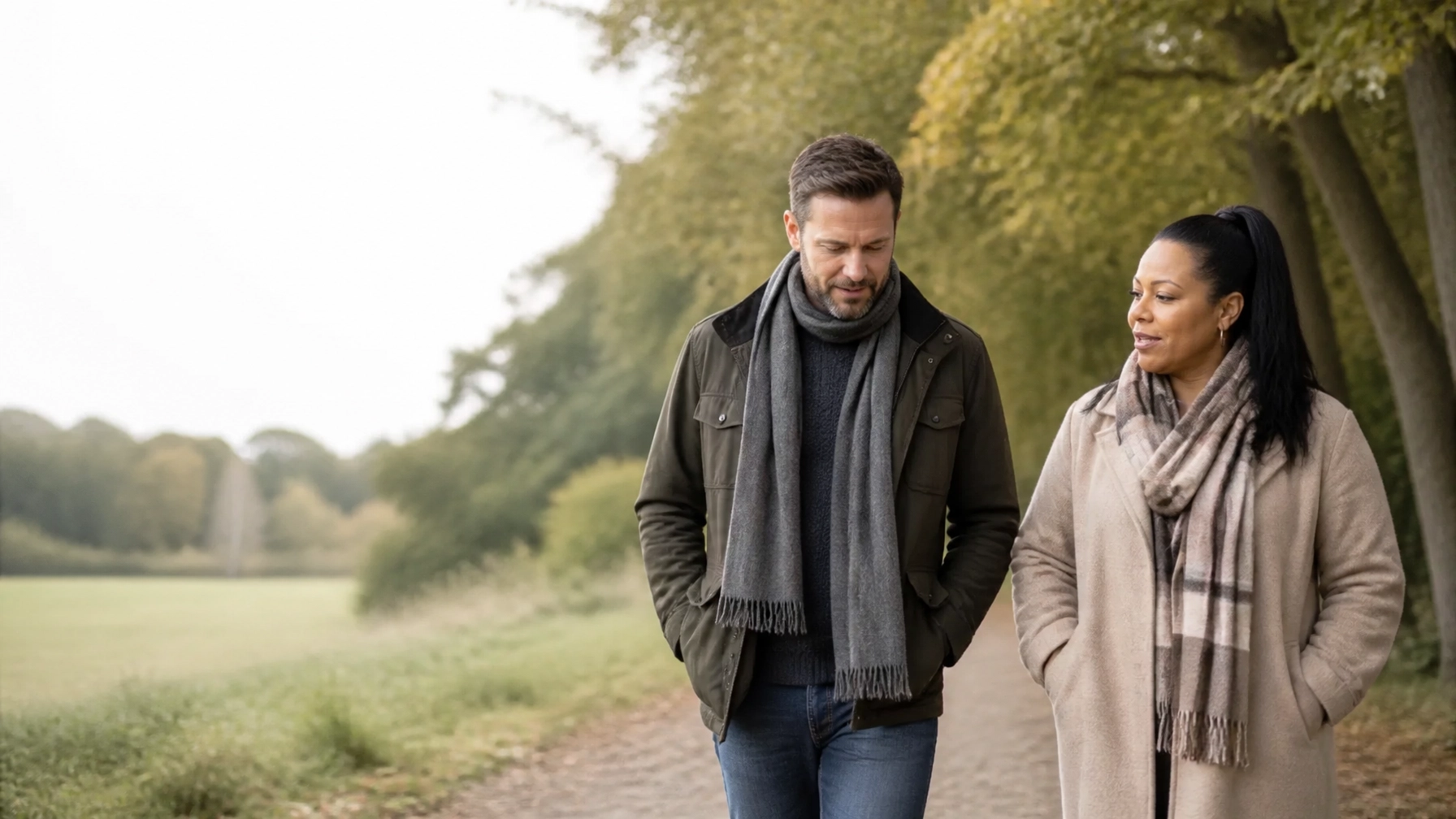
- Could Walk and Talk therapy be suitable for me?
- What would happen if I decided counselling was not right for me?
You do not need to ask every question at once. You can make a note of anything you would like to discuss before your appointment, or bring questions to a later session.
A first meeting is not an examination. You are not being assessed on how well you explain yourself.
Face-to-Face Counselling in Chelmsford
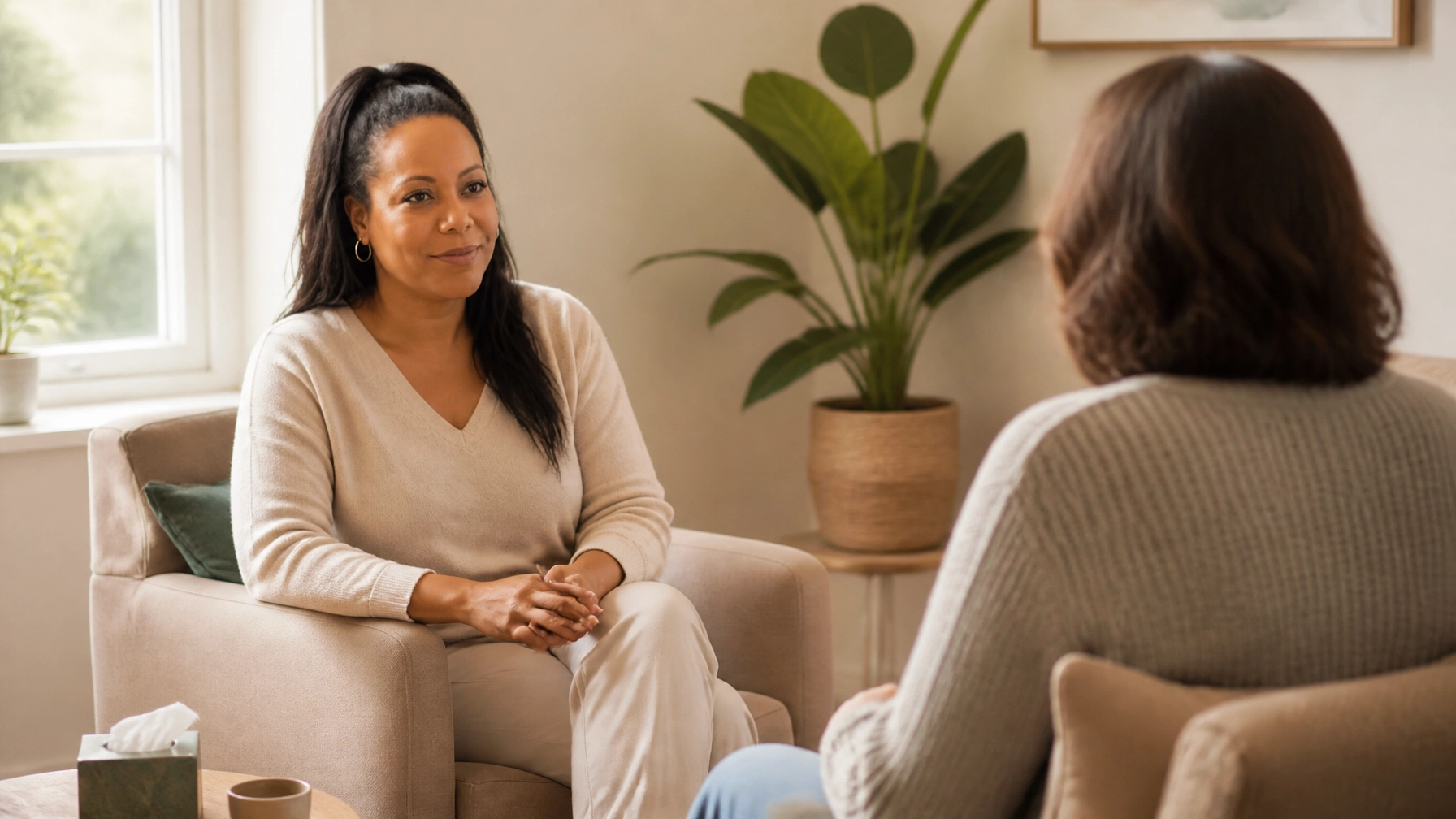
If you are looking for counselling in Chelmsford, face-to-face sessions offer the opportunity to meet privately in a warm and supportive setting.
Some people value having a clear separation between their everyday surroundings and their counselling space. Travelling to an appointment can create a little time to pause, reflect and focus on yourself. Sitting together in the same room can also make conversation feel more natural for some people.

At Look Forward Therapy, I provide personalised counselling for adults in Chelmsford through face-to-face sessions, and offer online video and telephone counselling appointments to clients throughout the UK. We can explore what you are experiencing and what you would like support with, without assuming that one approach will suit everyone.
Depending on your circumstances and preferences, support may also be available through:
- Face-to-face counselling in Chelmsford
- Online video counselling throughout the UK
- Telephone counselling throughout the UK
- Walk and Talk therapy in Central Park, Chelmsford
- Coaching-informed support where appropriate
You can read more about the different session options and ways of working. Choosing the right format is part of making counselling feel accessible and comfortable for you.

A Professional, Person-Centred Approach
I offer a warm, down-to-earth and non-judgemental space where you can talk about what is happening in your life.
Carla is a Member of the Complementary Medical Association (CMA) and an Accredited Member of the Accrediting Board of Counsellors and Psychotherapists (ABCAP). I maintain professional and ethical standards, with respect for your privacy, dignity, wellbeing and right to make your own choices.
You do not need to arrive with a clear diagnosis or a fixed plan. You can begin with the feeling that something does not seem quite right, that you feel overwhelmed, or that you would like a safe place to talk things through.
Together, we may explore your thoughts, feelings, relationships, experiences and hopes for the future. Where appropriate, coaching-informed techniques may also help you gain clarity, build confidence and consider practical steps forward.
The work remains personalised. Your pace matters.
What If I Do Not Feel an Immediate Connection?
It is understandable to hope that you will feel comfortable straight away, but trust often takes time to develop.
You may leave the first session feeling relieved, thoughtful, tired or unsure. There is no correct emotional response. You may need time to reflect on how the conversation felt and whether you would like to continue.
It is okay to ask for clarification, share feedback or decide that another counsellor or type of support may suit you better. A respectful counselling relationship should allow room for your preferences and honest responses.
Beginning counselling may feel unfamiliar. You are still allowed to go slowly.
When You Are Ready
You do not have to wait until things feel unbearable before seeking support. You also do not have to commit to a long-term plan before having an initial conversation.
If you are considering face-to-face counselling in Chelmsford, or would prefer online video or telephone counselling available throughout the UK, I am here to answer your questions and explain what you can expect. You are welcome to get in touch through the contact page and share as much or as little information as feels comfortable.
There is no pressure to have the perfect words.
You deserve to feel safe, supported and understood. When you are ready, we can begin with a conversation.